SAFETY & COMPLIANCE
Diversion Control
Enhancing Safety and Compliance
in Controlled Substance Monitoring

Overview
Medication diversion remains a significant concern in healthcare settings, particularly in the operating room (OR), where controlled substances are critical to patient care but also vulnerable to misuse. Studies have shown that up to 10% of healthcare workers may misuse controlled substances at some point during their careers, making it imperative for healthcare organizations to implement stringent controls to monitor and prevent diversion. Diversion can lead to compromised patient care, increased costs, and legal consequences, highlighting the urgent need for effective solutions to address this issue.
The Role of Waste Assay Systems in Diversion Control
Waste assay systems are vital tools in the fight against diversion, as they help track the chain of custody of controlled substances from dispensing to disposal. These systems provide real-time verification and ensure that substances are properly disposed of, preventing misuse or theft after they have been administered.
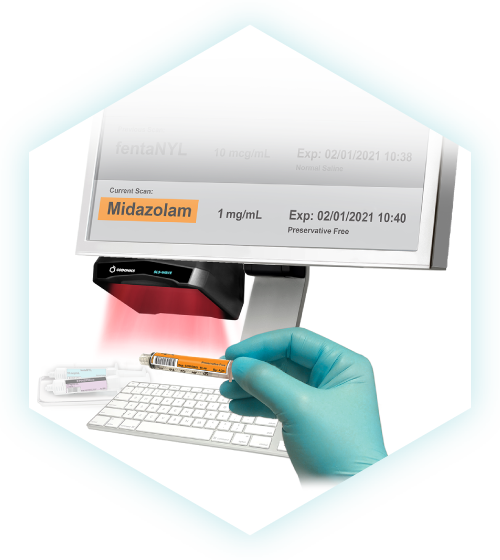
Codonics Safe Label System (SLS) plays a crucial role in enhancing the efficiency and effectiveness of these systems. By printing machine-readable barcodes on all syringe labels, SLS seamlessly integrates with waste assay devices such as WasteLog™ and PharmID’s WasteWitness®. This integration streamlines controlled substance disposal processes, ensuring secure, accurate tracking from preparation to waste.
By integrating SLS syringe label barcodes into WasteWitness, we not only enhance safety but also significantly improve clinical efficiency, This integration minimizes repetitive data entry, ensuring smoother workflows for clinical staff, while maintaining high levels of compliance and accuracy in controlled substance waste management.
–James DePoy, CEO of PharmID

How SLS Enhances Diversion Control
The barcode printed by SLS on each syringe label is instantly recognized by WasteWitness, WasteLog and similar systems via a scan, allowing for the immediate identification and verification of controlled substances at the point of disposal. This provides secure, real-time verification, significantly reducing the chance of human error and ensuring compliance with diversion control protocols.
Key benefits of Safe Label System and waste assay system integration include:
- Instant Identification of Controlled Substances: SLS syringe labels integrate with waste disposal systems, enabling quick and accurate identification of substances at the point of disposal.
- Streamlined Workflows: Integration with waste assay devices simplifies the process, reducing the need for manual tracking and ensuring compliance with legal and safety standards.
- Enhanced Chain of Custody: Continuous monitoring of controlled substances from dispensing through to waste ensures full accountability, improving the integrity of medication handling.
- Improved Security and Compliance: Real-time verification and automated documentation ensure that substances are properly disposed of, mitigating the risks associated with diversion.
Proven Impact on Compliance and Safety
The integration of Codonics Safe Label System with waste assay technologies provides a robust, end-to-end diversion control solution. This system helps healthcare facilities maintain compliance with ASHP guidelines and other regulatory standards while improving medication handling and preventing diversion. Together, SLS and waste assay devices offer healthcare organizations the most efficient and reliable solution to manage controlled substances, safeguarding patient care and supporting the integrity of hospital operations.

The following resources provide comprehensive data, guidelines, and research related to medication safety, diversion control, and best practices in healthcare:
1. Institute for Safe Medication Practices (ISMP)
- Provides guidelines, research, and recommendations for medication safety.
- Offers insights into medication errors, safe practices, and diversion control in healthcare settings.
- Website: www.ismp.org
2. National Institute on Drug Abuse (NIDA)
- NIDA provides statistics on substance abuse, including statistics related to healthcare workers and diversion.
- You can find research on healthcare worker substance misuse, including studies and policy recommendations.
- Website: www.drugabuse.gov
3. American Society of Health-System Pharmacists (ASHP)
- Offers insights into medication handling, best practices, and drug diversion control measures in hospitals.
- Contains guidelines that are commonly referenced in controlled substance management.
- Website: www.ashp.org
4. Journal of the American Medical Association (JAMA)
- Features research on healthcare worker substance abuse, including case studies, surveys, and national statistics.
- It is one of the most reputable sources for peer-reviewed articles on healthcare-related issues, including diversion.
- Website: www.jamanetwork.com
5. The Joint Commission (TJC)
- Offers reports and guidelines related to medication safety, compliance, and diversion control.
- Provides resources on hospital safety practices, including controlled substance monitoring and diversion prevention.
- Website: www.jointcommission.org
6. The National Institute for Occupational Safety and Health (NIOSH)
- Focuses on occupational safety, including substance abuse prevention and health risks for healthcare workers.
- NIOSH provides reports on drug diversion, safety standards, and risks specific to healthcare environments.
- Website: www.cdc.gov/niosh
7. Substance Abuse and Mental Health Services Administration (SAMHSA)
- SAMHSA provides reports and resources on substance use disorders, including in healthcare environments.
- It also offers statistics and resources on treatment and prevention for healthcare worker substance abuse.
- Website: www.samhsa.gov
Safety and Compliance Benefits